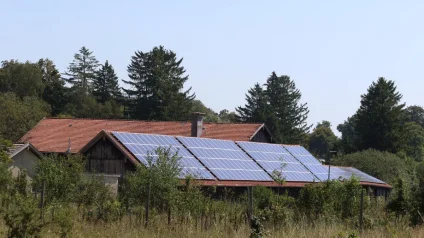
Rapid growth in electric vehicles, AI-driven data centers and green industrial parks is reshaping Southeast Asia’s energy landscape, but grid constraints and regulatory bottlenecks could slow progress.

Green industries are reshaping Southeast Asia’s energy demand
The Southeast Asia green economy is currently valued at USD 290 billion and is on track to reach USD 430 billion by 2030. According to a new report by Bain & Company and Standard Chartered, electricity demand from green industrial parks, data centers and electric vehicles is expected to increase by more than 100 terawatt-hours (TWh) over the next three to four years.
Driven by the rapid expansion of electric vehicles, AI-powered data centers and the modernization of industrial hubs, the region’s sustainable transformation is attracting growing volumes of capital. Yet beneath this strong momentum lie significant structural weaknesses that could undermine future growth.
According to the 2026 Southeast Asia’s Green Economy Report, meeting demand from these sectors will require more than USD 200 billion in investment. More than half of that amount is expected to be directed toward data centers, with nearly all operators willing to pay a premium to avoid delays in obtaining access to the electricity grid.
Capital is available, execution remains the challenge
One of the report’s most striking findings is that the main obstacle is no longer access to financing but the ability of national systems to convert investment commitments into real infrastructure.
Governments and private-sector consortiums across the region have announced ambitious investment plans in recent years. However, the report warns that, under current conditions, only about 60% of the USD 540 billion in announced green spending across Southeast Asia’s energy and electric vehicle value chains between now and 2030 appears to be on a credible implementation pathway.
As a result, nearly 40% of planned investments risk remaining unrealized, trapped by structural and administrative barriers. Analysts argue that the key challenge is ensuring that market frameworks and local infrastructure evolve quickly enough to support the financial commitments already made.
This challenge mirrors issues seen in other emerging markets, including parts of Sub-Saharan Africa, where attracting capital is often easier than converting funding into operational infrastructure.
Renewable energy projects face persistent barriers
The report also highlights that around 50% to 60% of renewable energy projects in Vietnam, Thailand and Indonesia have been cancelled in recent years due to system constraints.
The causes include a combination of administrative inefficiencies and regulatory uncertainty. Among the most significant barriers are unclear power purchase agreement (PPA) structures, which reduce bankability for international investors, difficulties in obtaining permits and cumbersome grid connection procedures.
These regulatory and permitting bottlenecks are slowing Southeast Asia’s energy transition at a time when demand for clean electricity is rising rapidly.
Grid infrastructure becomes the critical bottleneck
Transmission and distribution infrastructure has emerged as the region’s most pressing challenge.
Electricity demand is expanding far faster than national grids can accommodate. According to the report, power consumption growth will outpace network upgrades, with an estimated annual shortfall of USD 18 billion in grid investment through 2035.
This infrastructure gap is creating a dangerous mismatch. Demand from highly energy-intensive sectors such as data centers and electric mobility can materialize within one to three years, largely due to the race among multinational companies to capitalize on artificial intelligence opportunities. By contrast, expanding and modernizing electricity networks typically requires between five and fifteen years.
As a result, grid availability is increasingly becoming a decisive factor in investment decisions. Nearly all data center operators surveyed indicated they would be willing to pay significantly higher electricity tariffs if it meant avoiding delays in grid connection.
Energy security and economic growth take priority
In an increasingly fragmented geopolitical environment, energy security and economic growth are now taking precedence over purely environmental objectives.
For Southeast Asia, the window for action is narrow. The decisions governments make over the next 24 to 36 months will determine whether the region can unlock an additional USD 80 billion in investment by 2030 and strengthen its long-term industrial competitiveness.
This is particularly important for the electric vehicle supply chain, where Southeast Asia currently accounts for only about 2% of global production despite its growing strategic importance.