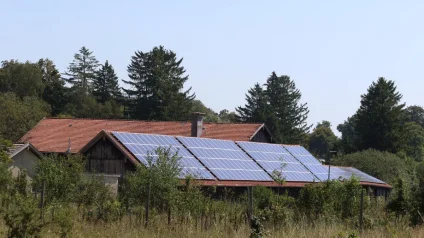
Kenya wind and solar integration will require more than new generation capacity. As variable renewable generation grows, the country faces the challenge of balancing electricity supply and demand, maintaining system stability and ensuring that new power can reach consumers.

Kenya’s renewable-energy transition is entering a new phase, with increasing attention on grid integration, system flexibility and market reforms as wind and solar generation create new operational challenges.
Building more generation capacity is only part of the challenge. Kenya must also operate a power system in which wind and solar output varies with weather conditions and the time of day.
This matters as the country expands clean electricity while maintaining a reliable supply for households, businesses and industry.
In its March 2026 report, Integrating Variable Renewable Energy in Kenya: Key Challenges and Strategic Priorities, the International Energy Agency (IEA) reported that wind and solar accounted for about 19% of Kenya’s electricity generation in 2024, with wind contributing approximately 14% and solar photovoltaic (PV) around 4%. [Editorial note: The individual figures for wind and solar add up to approximately 18%, compared with the IEA’s reported combined share of about 19%. The difference may reflect rounding or the underlying figures used in the report]
The IEA classifies Kenya’s power system as being in Phase 3 of its variable renewable energy (VRE) integration framework. At this stage, changes in wind and solar output increasingly affect system operations.
The IEA identifies three priorities for Kenya’s next phase of renewable-energy integration: flexibility and storage, ancillary services, and open access.
Together, these measures address a central question: how can Kenya use the electricity it generates while keeping the power system reliable, secure and affordable?
Why Kenya wind and solar integration needs more than new generation
Electricity systems must continuously balance power generation and consumption. When electricity supply and demand fall out of balance, grid frequency can move outside its required range. Grid operators must then act to stabilise the system.
Wind and solar introduce additional variability because their output depends on weather conditions and sunlight. Solar generation rises and falls throughout the day and drops after sunset, while wind output changes with wind conditions. Neither source necessarily produces electricity at the exact time or level consumers require.
This does not mean wind and solar cannot be integrated reliably. It means operators need:
- Accurate and reliable forecasts of electricity generation and demand.
- Sufficient resources to respond when supply or demand changes.
- Transmission infrastructure capable of moving electricity across the network.
- Operational tools that help maintain system stability.
These priorities will shape Kenya wind and solar integration as the country works to accommodate changing generation patterns while maintaining a reliable electricity supply.
The IEA reports that Kenya is already experiencing steeper net-load variations, greater forecasting uncertainty and increased balancing and ramping requirements as wind and solar become more influential in the generation mix.
Net load is the electricity demand that remains after accounting for renewable generation. Changes in net load affect how other power plants must adjust their output to keep supply and demand in balance.
The report also highlights the importance of coordinating generation resources when wind, hydropower, geothermal output and demand do not align. Depending on operating conditions, temporary electricity surpluses can contribute to hydropower spillage or the venting of geothermal steam.
Importantly, the IEA does not conclude that Kenya’s power system cannot accommodate additional renewable generation. Rather, it identifies operational improvements, better coordination and evolving market and regulatory arrangements as important to managing the challenges associated with higher levels of variable renewable energy.
Flexibility and storage
The IEA identifies flexibility and storage as one of its three priority areas. Flexibility refers to the power system’s ability to respond when electricity supply or demand changes.
This can come from various sources, including hydropower, energy storage, dispatchable generation, demand management, interconnections with neighbouring electricity systems and improved forecasting.
Geothermal and hydro power
Kenya’s existing geothermal and hydropower plants can help balance changes in wind and solar generation.
Geothermal generation can provide relatively steady output, supporting the overall balance of the power system. Hydropower can also help adjust generation in response to changing conditions, although its flexibility depends on the design of individual plants, water availability and operational constraints.
The IEA highlights the importance of better coordination across geothermal, hydropower and variable renewable generation.
The goal is to use available resources efficiently as wind and solar output changes, while reducing avoidable losses of potential generation.
Battery storage
Battery energy storage systems (BESS) store electricity for later use. Depending on their design and operating arrangements, they can also respond rapidly to certain grid requirements, including frequency regulation and short-term balancing.
However, batteries alone cannot solve renewable integration challenges. They are one of several flexibility options, alongside operational improvements, dispatchable generation, hydropower and stronger regional coordination.
Kenya Electricity Generating Company PLC (KenGen) has proposed a 100 MW / 100 MWh battery energy storage system intended to support ancillary services and load balancing. Its published project information identifies Olkaria, Kipevu, Embakasi and Muhoroni as potential locations and states that the feasibility study is ongoing.
The project remains at the planning stage; it is not yet an operational battery installation.
Kenya Electricity Transmission Company Limited (KETRACO) also lists battery storage within its portfolio of transmission projects. These initiatives indicate growing interest in storage as a system-integration tool, but proposed projects should not be confused with storage capacity already available to the power system.
Storage’s contribution to Kenya’s future renewable integration will depend on project delivery, location, technical requirements and how operators use the systems alongside other flexibility resources.
What are ancillary services, and why do they matter?
The IEA identifies ancillary services as one of the priorities for Kenya’s evolving power system.
Balancing supply and demand is only one part of keeping an electricity system reliable. The system also relies on technical services that help maintain stable operating conditions and respond to disturbances. These services include:
- Frequency regulation: helping maintain the balance between electricity supply and demand.
- Voltage control: keeping voltage within acceptable operating limits.
- Operating reserves: providing backup when generation unexpectedly falls or demand changes.
- System restoration: supporting the recovery of electricity supply following a major disruption.
Consumers do not interact directly with these services, but they play an important role in reliable electricity delivery.
As the generation mix changes, system operators rely on appropriate technical arrangements for procuring, coordinating and compensating the resources that provide these services.
The issue is not simply whether the country has enough generating capacity. It is also whether the system has the technical resources and operating arrangements needed to respond when conditions change.
Developing appropriate system-services frameworks can help clarify which services the system needs, who can provide them and how system operators can integrate them into grid operations and electricity-market arrangements.
Why open access matters
The IEA identifies open access as one of its three priorities. Open access is an arrangement that allows eligible market participants to use transmission and distribution infrastructure under established rules, technical requirements and charges.
This can affect how market participants buy, sell and transport electricity across the network.
Access to the network can be as important as the generating asset itself for renewable-energy developers.
A project may have a viable resource and the capacity to generate electricity, but it still needs workable arrangements to connect to the grid and deliver power to its intended customers.
In May 2026, Kenya published the Energy (Electricity Market, Bulk Supply and Open Access) Regulations, 2026.
The IEA report was published earlier, in March 2026, and therefore did not assess the practical effects of those regulations. Its analysis nevertheless argued that transparent access arrangements, clear network charges and workable market procedures could help create additional commercial pathways for renewable-energy developers and support future system development.
Whether the 2026 regulations achieve those objectives will depend on how regulators implement and apply them in practice.
What this means for investors and system planners
Kenya’s next renewable-energy challenge is increasingly about system capability as well as generation capacity.
For developers and investors, the evolving power system creates potential opportunities beyond renewable-power plants themselves. Battery storage, network infrastructure, forecasting, balancing and other system services may become increasingly important parts of the electricity value chain.
However, the commercial viability of these opportunities will depend on more than technical need. Project economics, regulatory arrangements, procurement mechanisms, network constraints and the availability of revenue streams will all influence investment decisions.
Utilities and system operators need to improve forecasting, coordinate generation resources, manage reserves and ensure that transmission infrastructure can accommodate changing patterns of electricity production.
Policymakers and regulators, meanwhile, must develop market and operational arrangements that support reliability while giving investors clarity on new generation and supporting infrastructure.
For consumers, the ultimate objective remains reliable and affordable electricity. Better integration can help the system use available generation more efficiently, although the benefits will depend on how utilities, operators and regulators put infrastructure investments, operating practices and market reforms into practice.
Conclusion
Kenya wind and solar integration will depend not only on adding new capacity, but also on strengthening the systems that help operators balance, transport and use electricity efficiently.
Progress on flexibility, ancillary services and open access will help determine how effectively the country integrates new generation while maintaining a reliable and affordable power supply.