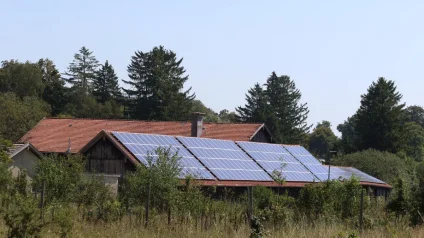
Electricity consumption in the MENA region is set to surge by 50% by 2035, driven by cooling demand, desalination and economic growth, with implications for Africa’s energy transition.

Electricity consumption in the MENA region is accelerating
Electricity consumption in North Africa and the Middle East is set for a sharp rise over the next decade. According to The Future of Electricity in the Middle East and North Africa, a new report by the International Energy Agency, power demand across the region has already tripled between 2000 and 2024, fuelled by population growth and rising incomes.
By 2035, electricity consumption in the MENA region is projected to increase by a further 50%, an amount equivalent to the combined current demand of Germany and Spain. The agency notes that since the start of the century the region has recorded the third-largest growth in electricity consumption worldwide, behind only China and India.
“Electricity capacity in the region is set to expand by more than 300 gigawatts over the next decade, three times Saudi Arabia’s current total installed capacity,” said IEA executive director Fatih Birol. Beyond demographic and economic trends, demand growth will be driven by rapid urbanisation, industrial expansion, electric transport and digital infrastructure such as data centres.
Cooling and desalination drive electricity demand
Extreme heat and water scarcity are key factors shaping electricity consumption in the MENA region. Around 40% of the expected growth in demand by 2035 will come from air conditioning and freshwater production through desalination plants.
The IEA highlights the critical role of energy efficiency. Average air conditioner efficiency in the region is currently less than half that of Japan. Improving performance standards could reduce peak demand growth by an amount equivalent to Iraq’s entire installed power capacity.
For African countries facing similar climate pressures, including Senegal, Ethiopia and much of sub-Saharan Africa, the findings underline the importance of efficient cooling solutions as temperatures rise and urban populations expand.
Power mix still dominated by gas and oil
Today, more than 90% of electricity generation in the Middle East and North Africa comes from gas and oil. However, several countries are cutting back on oil-fired power, redirecting crude towards higher-value uses or exports. Under current policy trajectories, oil’s share in electricity generation is expected to fall from 20% to 5% by 2035.
Natural gas will account for around half of future demand growth. At the same time, solar photovoltaics are set to expand rapidly, with installed capacity expected to increase tenfold by 2035. As a result, renewables could supply about 25% of total electricity generation. Nuclear power is also projected to grow quickly, with capacity forecast to triple.
These trends resonate with energy debates in South Africa and across Africa’s emerging power markets, where balancing gas, renewables and grid stability remains a central challenge.
Electricity consumption and infrastructure investment
Investment in the MENA power sector reached 44 billion dollars in 2024 and is expected to rise by 50% by 2035. Nearly 40% of this spending will go to electricity grids, aimed at reducing transmission and distribution losses, which are currently twice the global average.
Upgrading and expanding networks, alongside stronger regional interconnections, is seen as essential to ensure supply security. Integrating renewables at scale will also require energy storage, demand-side management and flexible gas-fired power plants to balance variable solar and wind output.
Alternative scenarios, higher oil and gas use without diversification
The report also explores less favourable outcomes. If energy diversification falls behind stated goals, oil and gas demand for power generation would rise by 25% by 2035. This would cut hydrocarbon export revenues by 80 billion dollars while increasing import costs by around 20 billion dollars.
The IEA stresses that a balanced transition, combining efficiency improvements, renewables and nuclear power, is the only viable path to protect energy security and public finances. “Electricity consumption will profoundly reshape the energy mix, with global implications for energy balances and emissions,” Birol said.
For Africa, particularly sub-Saharan countries navigating rapid demand growth, the MENA experience offers a clear warning, rising electricity consumption without diversification risks locking economies into costly and carbon-intensive pathways.