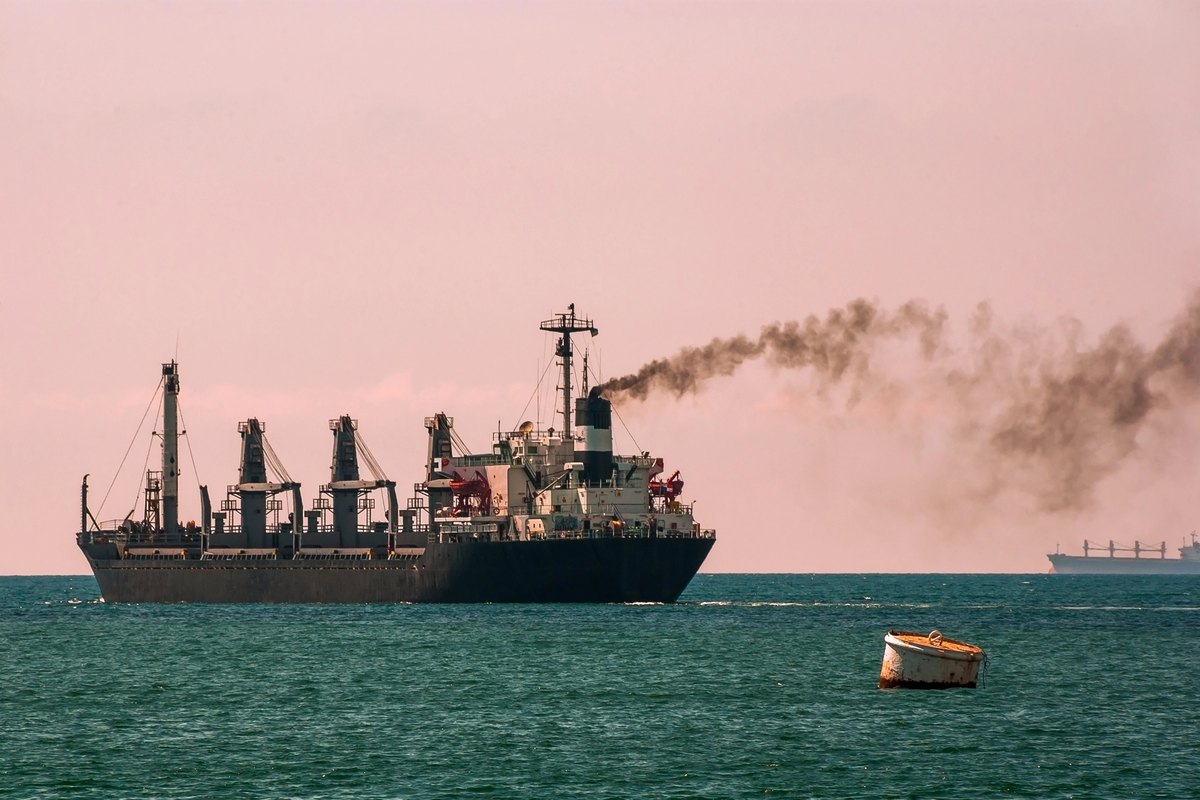
Trump plans to charge shipping companies
The latest Trump Hormuz statements mark a new phase in the escalation between the United States and Iran. The US president said Washington would take control of the Strait of Hormuz and recover its costs through “a 20 per cent tariff on all cargo shipped”.
“We will become the guardians of the strait,” Trump said during an interview with Fox & Friends. “We will hit [Iran] very hard, we will keep the strait and probably manage it.”
Trump’s comments followed renewed tensions in the Gulf, where attacks between the United States and Iran are continuing.
According to analyst Ian Bremmer, a 20 per cent tariff on oil transported through Hormuz would add about 15 dollars to the cost of each barrel. Bloomberg estimates that the additional cost could reach 30 million dollars for a fully loaded supertanker.

Trump restores the blockade on Iranian ports
After the Fox News interview, Trump published a post on Truth Social announcing that the United States would restore the naval blockade against Iran.
“All other countries will be able to use the strait fairly,” he said.
However, he added that “the United States will be reimbursed, through a 20 per cent tariff on all cargo shipped, for any cost required to provide safety and protection in this highly unstable part of the world”.
Ships go dark in the Gulf
According to Kpler monitoring data, confirmed crossings through the Strait of Hormuz fell by almost 52 per cent between 10 and 12 July compared with the previous week.
The use of Iranian routes increased, while activity along International Maritime Organization and Omani corridors almost disappeared.
Although the IMO has reported no new confirmed attacks since 27 June, tensions between the United States and Iran, together with threats from Iran’s Revolutionary Guards, are continuing to make commercial shipping operators more cautious.
A Bloomberg analysis of preliminary data also suggests that the share of vessels crossing Hormuz without being tracked has increased, while visible transit activity on the Omani side has fallen sharply.
As tensions rise over who controls the strait, both Iranian and non-Iranian merchant vessels are reportedly switching off their transponders.
Iran has attacked vessels travelling through the waterway along the Omani route. Several ships may still have used that corridor, but with their transponders turned off.
Without active transponders, oil and shipping markets have greater difficulty obtaining an accurate and up-to-date picture of maritime activity in the strait.
The uncertainty surrounding Hormuz also matters for African energy markets, particularly countries exposed to global oil prices and shipping disruptions. However, the scale of the impact will depend on how long the disruption continues.
