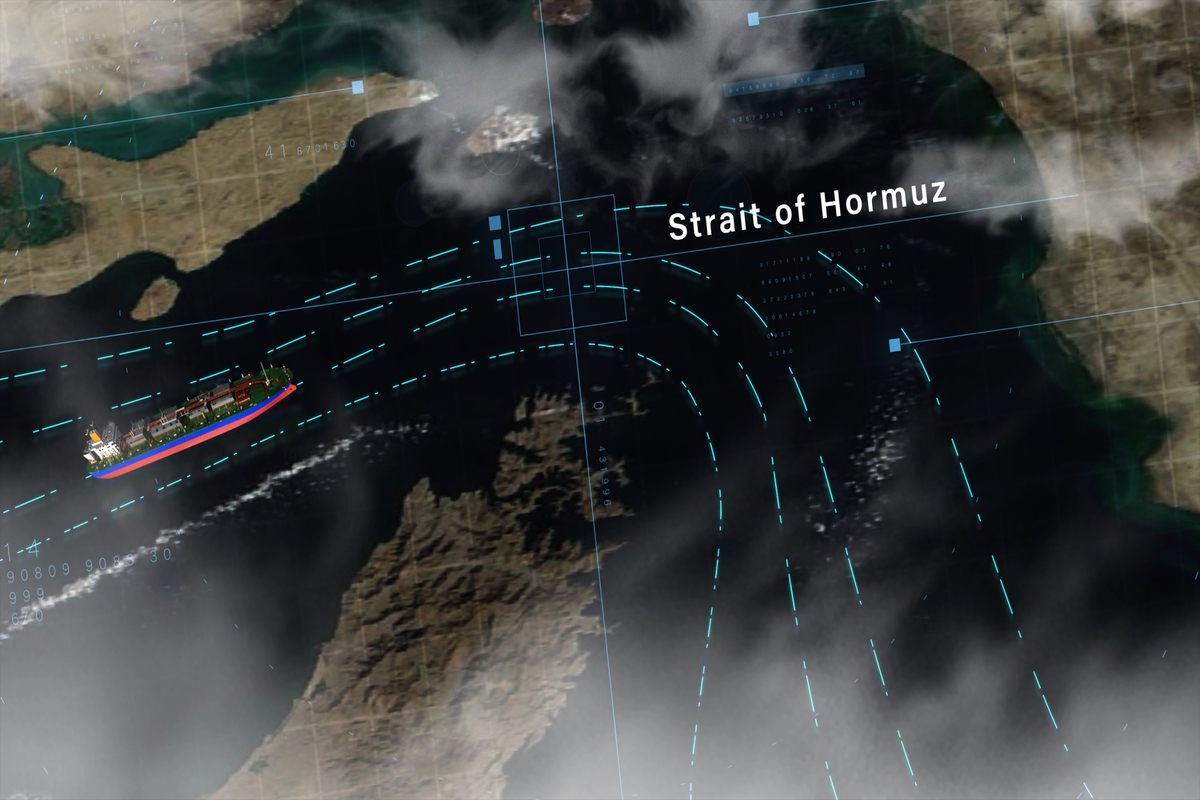
Hormuz Strait remains open, but a full return to normal will take time
The Hormuz Strait is open again, but significant risks for the global economy remain. Over recent weeks, oil prices have fallen as shipping traffic through the strategic waterway has gradually resumed. However, according to the latest IEA Oil Market Report, a complete return to normal conditions will take time.
Shipping through the Hormuz Strait continues despite security threats
The conflict in the Middle East brought maritime traffic through the Hormuz Strait close to a standstill. In recent months, Iran has sought to tighten its control over the waterway, alongside Oman, claiming it intended to impose transit fees on vessels and restricting ships that sailed outside routes designated by Tehran.
Last week, the United States accused Iran of striking at least two commercial vessels with missiles or drones, before launching air strikes against Iranian military installations. Iran later responded by firing missiles and drones at US military sites in Kuwait and Bahrain.
According to Kpler’s analysis, the Hormuz Strait remained open throughout the weekend, with 108 verified crossings recorded between 26 and 28 June. Traffic was heaviest on 26 June before easing over the following days. Shipping routes remained divided, with 39 crossings using the Omani route, 37 the Iranian route and nine following the IMO route. Kpler’s data indicate that the Hormuz Strait continues to operate, although maritime security remains fragile.

Oil demand weakens despite the reopening of the Hormuz Strait
Global oil demand has shifted over the past four months in response to the energy crisis. Across the Asia-Pacific region, consumers have reduced fuel consumption while governments have introduced measures to shield households and businesses from the worst economic impacts.
The IEA now expects global oil demand to fall by almost 5 million barrels per day in the second quarter of 2026 compared with the same period last year.
Overall, global oil demand is projected to decline by 1.1 million barrels per day in 2026 compared with 2025. This represents a downward revision of 700,000 barrels per day from the May report, reflecting a sharp 5 million barrel-per-day drop in second-quarter 2026 deliveries, driven by higher fuel prices and reduced availability of refined petroleum products.
Southeast Asia faces growing energy security challenges
Disruptions to oil and gas flows through the Hormuz Strait have exposed structural weaknesses in Southeast Asia’s energy system. According to the IEA, stronger policy action will be needed to improve energy security as the region’s energy consumption continues to rise.
The 2026 Southeast Asia Energy Outlook provides a comprehensive assessment of recent energy developments. So far, governments have mainly relied on short-term demand reduction measures, including encouraging remote working. However, the report stresses that deeper structural vulnerabilities must also be addressed.
Under current policies, Southeast Asian countries are expected to spend around USD 400 billion annually on energy imports by 2050, equivalent to around 5% of the region’s economy. These findings are also relevant for rapidly growing energy markets across Africa, where strengthening energy resilience remains an increasingly important policy objective.
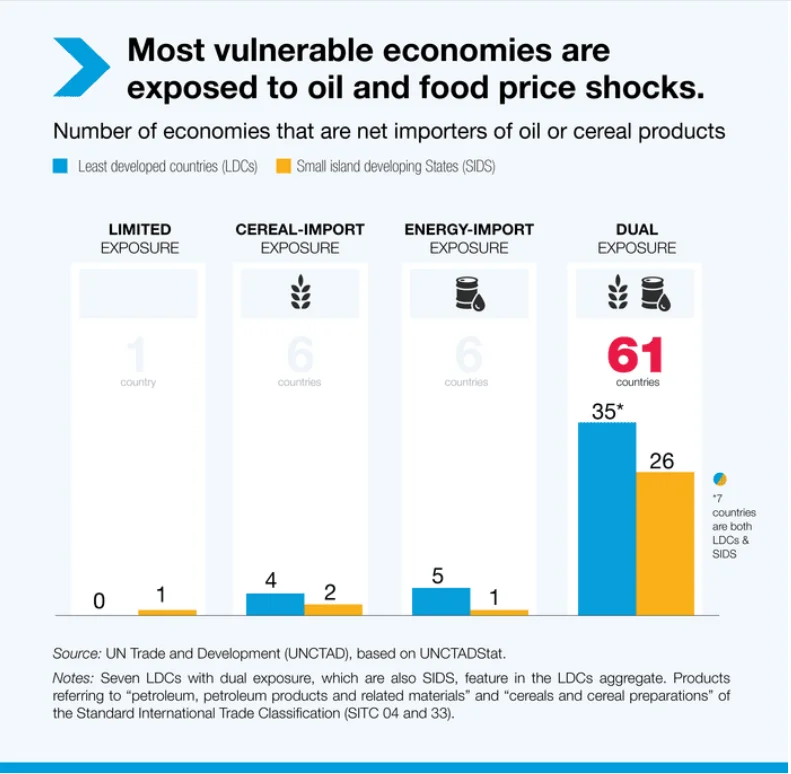
Vulnerable economies remain exposed to price shocks
The United Nations Conference on Trade and Development (UNCTAD) has warned that while the reopening of the Hormuz Strait provides immediate relief for energy markets, vulnerable economies remain exposed to higher food and fuel costs.
The restoration of shipping is an important first step towards reviving international trade. However, UNCTAD notes that the more than 100 days of disruption to shipping through Hormuz have already imposed significant costs on the global economy.
Lower-income countries have been particularly affected by higher oil and fertiliser prices, with lasting implications for inflation. Rising prices hit the poorest households hardest, making essential goods and services, including food and healthcare, less affordable.
“These shocks will be felt for many months, with developing countries bearing the heaviest burden. I call on all parties to respect the ceasefire and redouble their efforts,” said António Guterres, Secretary-General of the United Nations.