A faster shift to off-grid renewable energy in mining
Fortescue is accelerating its transition away from fossil fuels across its mining operations, targeting a full phase-out by 2028. The company, one of the world’s largest iron ore producers, plans to speed up the rollout of an off-grid renewable energy system over the next two years, replacing diesel in extraction activities.
The move follows rising geopolitical instability in the Middle East, which has pushed the company to reduce exposure to volatile fuel costs. This strategy reflects a broader trend also relevant for remote industrial sites in Sub-Saharan Africa, where off-grid renewable systems are increasingly seen as a cost-stable alternative.
Toward “real zero” emissions, not offsets
Fortescue has set a more ambitious target than many industry peers. By 2030, it aims to achieve what it defines as “real zero”, eliminating emissions entirely from its operations rather than relying on carbon offsets.
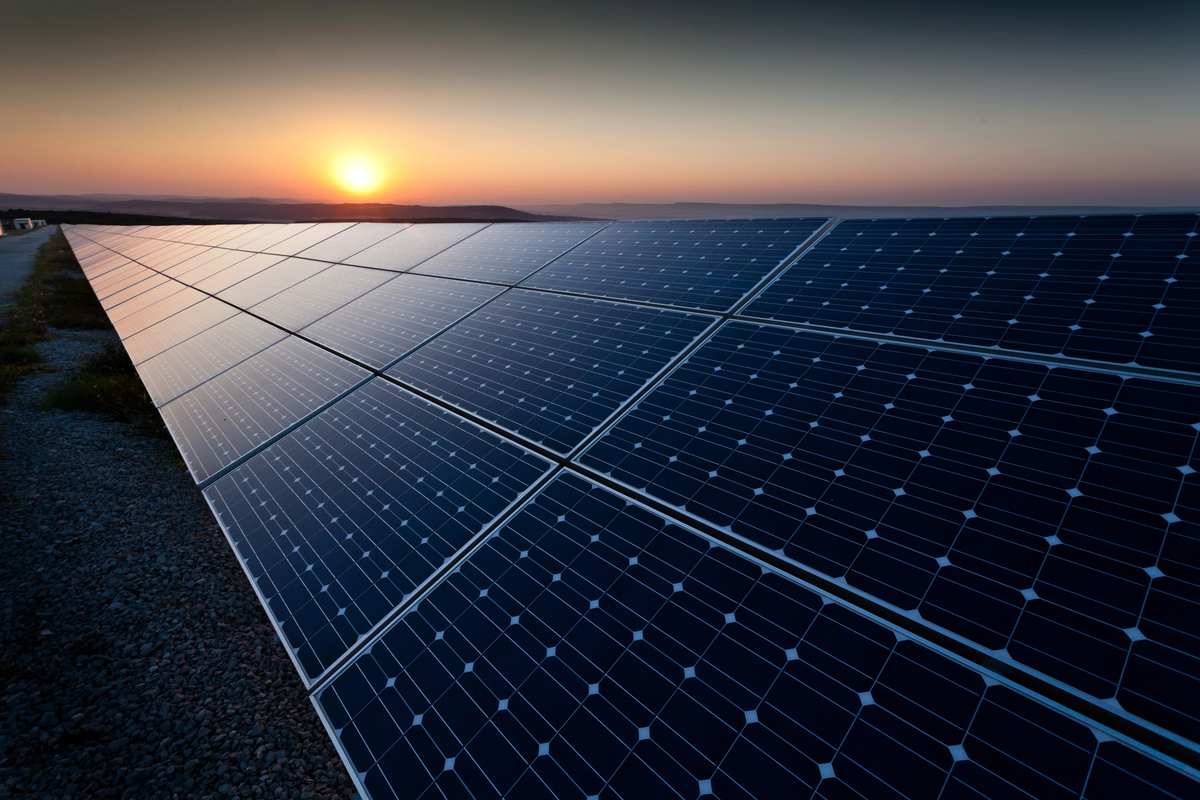
At the core of this strategy is the Pilbara Energy Connect project (PEC), an integrated renewable energy network linking mining sites to solar, wind, and battery storage. Once completed, the system will include more than 620 kilometers of high-voltage transmission lines, supported by 1.2 GW of solar capacity, over 600 MW of wind power, and between 4 and 5 GWh of large-scale battery storage.
Continuous operations without fossil fuels
By early 2027, Fortescue expects to install 290 MW of renewable capacity to support daytime mining operations in the Pilbara region. The plan is projected to save nearly 100 million dollars in fossil fuel costs by 2027, while reducing unit operating costs by between 2 and 4 dollars per ton.
The company’s objective is to run its mining activities on a continuous 24-hour cycle without fossil fuels by the end of next year. If achieved, this would mark a significant milestone for heavy industry, where round-the-clock operations have traditionally relied on diesel.
A model for global industrial decarbonization
Through this project, Fortescue aims to demonstrate that renewable energy can compete with fossil fuels even at industrial scale, both in reliability and cost. The company plans to commercialize its green network model globally, offering it to other industrial players through licensing or as a service.
This approach could find strong interest in emerging markets, including parts of Africa, where mining operations often face high energy costs and limited grid access.
Investments and strategic recalibration
Fortescue is undertaking a broad decarbonization effort across infrastructure, energy systems, and operations. In its latest financial report, the company stated it had invested 405 million USD in decarbonization initiatives and is progressively replacing diesel-powered mining equipment with zero-emission alternatives.
However, in 2025, the company also announced a significant scale-back of its green hydrogen ambitions, cancelling several projects in Australia and the United States.