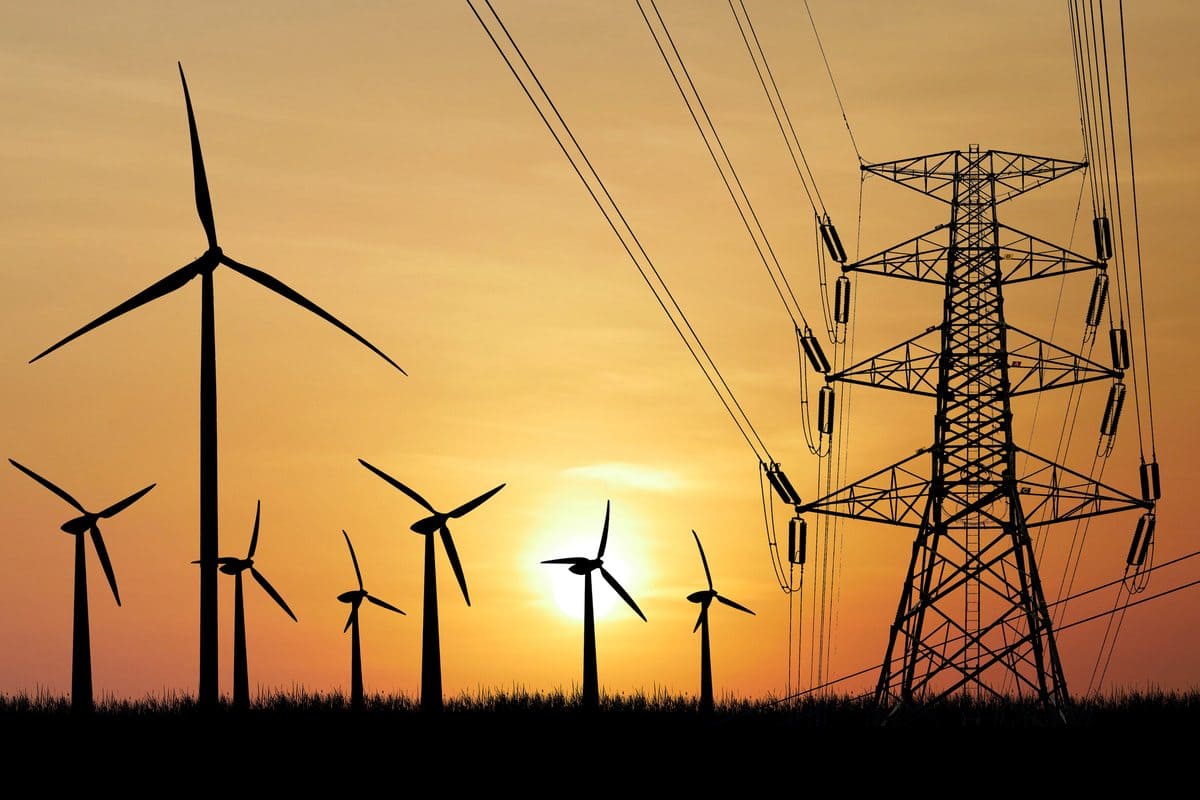
The estimated El Niño energy impact on the energy sector
The El Niño energy impact is becoming an increasingly important factor for the global energy sector as the climate pattern drives major shifts in weather conditions across different regions of the world.
El Niño can trigger heatwaves and droughts in some areas, while bringing heavy rainfall or cooler weather to others, alongside rising global temperatures. According to the World Meteorological Organization, the 2026 El Niño event is expected to be particularly intense, potentially extending into 2027 and increasing the likelihood of extreme weather events.
For the energy sector, these changes directly affect gas demand as well as solar, wind and hydropower generation. Variations in cloud cover, wind speeds, rainfall and snowmelt have a direct influence on renewable electricity production, a challenge that is also relevant for many developing energy markets across Africa.
The 2023-2024 El Niño event reduced wind power generation across the central United States and lowered solar electricity production in California. It also curtailed hydropower output in China and India. Meanwhile, that winter became the warmest ever recorded across the contiguous United States.
How El Niño affects international energy trade
The El Niño energy impact also extends to global energy trade.
The Panama Canal system depends on freshwater reservoirs, particularly the artificial Gatun Lake, to manage water levels. Severe drought conditions during 2023-2024, partly driven by El Niño, forced the Panama Canal Authority (ACP) to impose restrictions on the size of vessels allowed to transit the canal.
As a result, many LNG carriers bound for Asia were forced to sail around the Cape of Good Hope or head east through the Suez Canal, delaying deliveries by two to three weeks. Current restrictions remain less severe than during 2023-2024. The maximum authorised draft is approximately 14.9 metres, although it will be reduced to 14.5 metres on 15 August.
El Niño and solar power generation
According to Wood Mackenzie, solar power generation conditions are expected to remain favourable during autumn across the United States east of the Rocky Mountains, the Iberian Peninsula and the Middle East, during winter in Western Australia, and during spring in northeastern South America and India. Overall, however, El Niño is expected to have a broadly negative impact on solar generation across much of the world.
Scientists have shown that El Niño events reduce surface solar irradiance, creating prolonged deficits in regions where solar deployment is expanding, including California, the southern Atacama Desert, the Chaco Basin, the Middle East and eastern China.
The impacts become particularly severe during the rare Super El Niño events. Only three have occurred since the early 1980s. According to a scientific study, these events significantly reduce photovoltaic generation, increase reliance on fossil fuel backup power and raise carbon dioxide emissions by tens of millions of tonnes.
El Niño is set to increase cooling demand
According to an International Energy Agency (IEA) analysis, cooling degree days are increasing worldwide, with many regions experiencing faster growth than during the 2023-2024 El Niño event. This indicator measures excess heat above a temperature threshold and helps estimate how much energy is required to cool buildings.
In 2024, cooling degree days in China and Europe were 25% higher than in 2020. In Japan and South Korea, they were almost 50% higher.
The IEA explains that heatwaves increase cooling demand in two ways. First, they encourage greater use of air conditioning systems, as consumers run them more frequently during periods of extreme heat. Second, they stimulate sales of new air conditioners, expanding the installed base of cooling equipment and creating a long-term structural increase in electricity demand.
Based on current projections, global cooling demand is expected to increase by 1,600 terawatt-hours by 2035, equivalent to the combined annual electricity consumption of Japan and South Korea.
Assuming a strong El Niño event develops during 2026-2027, the IEA has revised these projections upward, estimating that cooling demand could require an additional 700 terawatt-hours of electricity by 2035. More than 60% of this extra demand would come from newly installed air conditioning units, while the remainder would result from more intensive use of existing systems.