Data center energy consumption IEA highlights rapid growth
Data center energy consumption is rising at an unprecedented pace, reshaping global electricity demand and forcing governments and companies to rethink energy supply strategies.
According to the latest International Energy Agency report, Key Questions on Energy and AI, electricity demand from data centers grew by 17% in 2025 alone, compared to just 3% for global electricity demand. Facilities dedicated to artificial intelligence recorded even higher increases.
By 2030, total data center energy consumption is expected to double, while demand from AI-focused facilities could triple. This trend is already pushing the adoption of alternative generation and storage solutions, a dynamic increasingly relevant also for fast-growing digital markets across Africa.
+17% in one year for data center electricity demand
The core message of the report is speed. Data center electricity demand is expanding nearly six times faster than the overall global power system.
This surge is driven by massive investments from large technology companies, rapidly scaling computing capacity to support new AI models. In 2025 alone, five major tech groups invested over 400 billion dollars, with projections pointing to a further 75% increase in 2026.
These investments translate into new digital campuses, higher server density, and significantly larger electrical loads.
The trend is global. Growth spans the United States, Europe, Asia, and emerging markets, although unevenly. New facilities tend to cluster in regions with reliable power supply, land availability, strong connectivity, and faster permitting processes.
AI energy demand and the rebound effect
The report highlights a critical dynamic often misunderstood.
Individual AI operations are becoming more efficient thanks to better chips, optimized software, and advanced cooling systems. However, total energy consumption continues to rise.
This is due to a classic rebound effect: efficiency gains are outpaced by a surge in usage. Generative AI tools, intelligent assistants, and automated applications are expanding rapidly, alongside more energy-intensive uses such as autonomous AI agents and continuous multimodal processing.
As a result, AI-driven data centers could triple their electricity consumption by 2030, despite ongoing technological improvements.
Infrastructure bottlenecks slow expansion
The report also identifies structural constraints that could limit growth.
Supply chains for key components, including gas turbines, electrical transformers, advanced semiconductors, and IT hardware, have tightened significantly over the past year. These technologies are essential for building and powering new data centers.
Permitting processes are another bottleneck. In many countries, project pipelines are putting pressure on planning and regulatory systems, leading to longer grid connection times and delays in environmental approvals.
For the energy sector, the challenge is twofold: expanding generation capacity while strengthening grid infrastructure. Without these upgrades, part of the digital expansion may be delayed.
Renewables and new energy deals to power digital growth
The technology sector is not only increasing demand, it is also shaping supply.
In 2025, tech companies accounted for around 40% of all corporate power purchase agreements (PPAs) signed for renewable energy. These long-term contracts are financing new solar and wind capacity while ensuring stable revenues for developers.
Interest is also growing in advanced nuclear and next-generation geothermal technologies. Agreements linked to small modular reactors (SMRs) have increased from 25 GW at the end of 2024 to 45 GW today, indicating strong demand for alternative energy sources.
For regions like Sub-Saharan Africa, where digital infrastructure is expanding alongside renewable capacity, similar models could become increasingly relevant, provided grid stability and financing conditions improve.
The US model: onsite gas and battery storage
In the United States, where grid connection delays are particularly acute in some regions, developers are exploring onsite natural gas generation to power data centers.
However, satellite data analyzed by the International Energy Agency shows that many of these projects are still at early stages, facing technical and financial challenges.
One key issue is the nature of AI workloads, which can fluctuate rapidly. Managing these peaks with traditional generators alone is complex.
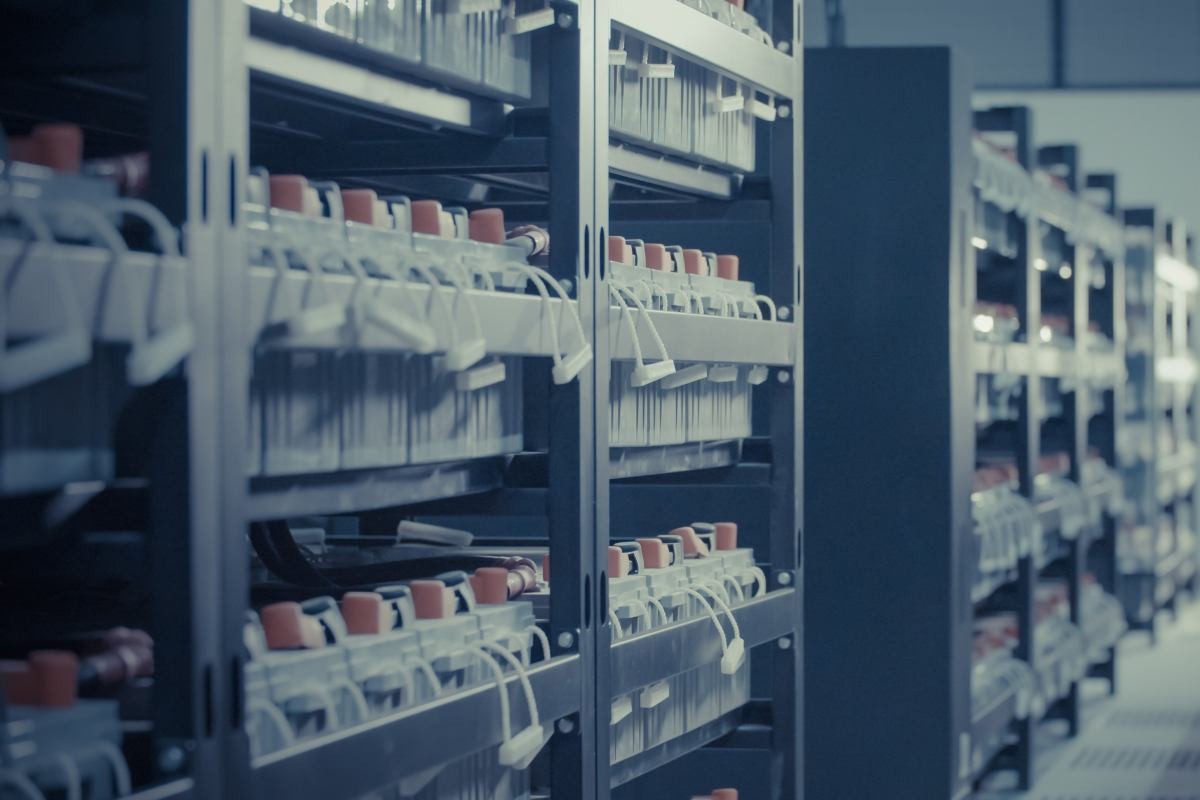
Battery storage is therefore emerging as a strategic solution. Well-designed systems can absorb sudden demand spikes, reduce stress on generation assets, and provide flexibility to the grid.
Energy prices and system pressure
The rapid growth of data centers is raising concerns about electricity prices and environmental impact.
The report clarifies that higher demand does not automatically lead to higher prices, if matched by adequate investment in generation and grid infrastructure. However, data centers present unique challenges: large concentrated loads, fast growth, and the need for dedicated infrastructure.
These factors can require new transmission lines, substations, and additional generation capacity, potentially impacting tariffs if planning is inefficient.
Governments still have tools to manage these risks, including smarter grid integration, dynamic pricing, incentives for operational flexibility, and strategic siting of new facilities.
At the same time, AI itself could help reduce energy costs in industrial sectors by 3 to 10%, through improved process management, predictive maintenance, and consumption optimization.
Yet, the energy sector has not fully captured this potential. The main barriers remain a lack of digital skills and limited availability of usable data.