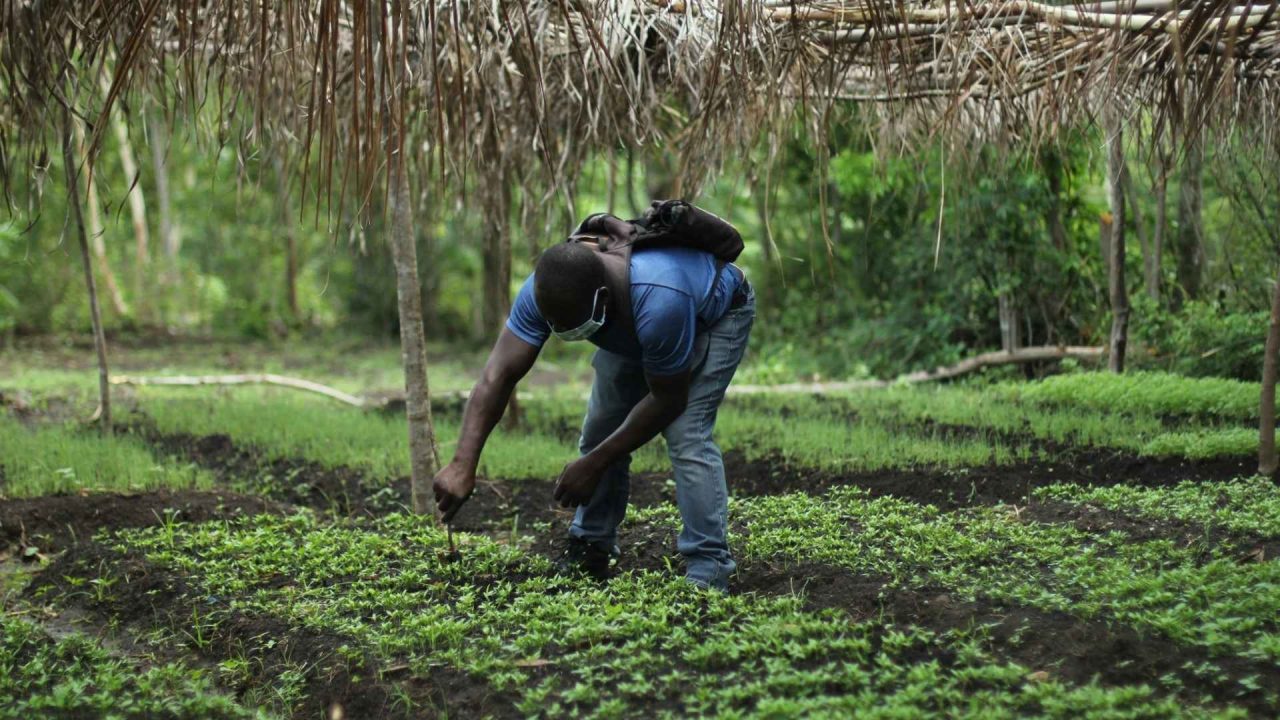
Agriculture in Africa and the role of irrigation in food production
In Europe, optimizing irrigation has become a necessity, both to save water and to cope with increasingly prolonged periods of drought.
In other parts of the world, access to irrigation can mean the difference between barren land and fertile soil, between food security and hunger, between survival and extreme vulnerability.
Solar-powered irrigation pumps in Africa
Water scarcity across sub-Saharan Africa remains particularly severe, but small-scale farmers have identified a key adaptation strategy in the adoption of irrigation systems powered by solar energy.
Food and water insecurity has intensified across Southern Africa due to the impacts of the El Niño phenomenon. In this situation of compounded emergency, solar-powered irrigation pumps have been introduced to help protect local communities from malnutrition.
The large-scale use of solar energy has also delivered additional benefits. One of the most significant has been reduced dependence on national electricity grids, a clear advantage for small farmers and for agricultural production more broadly.
In agriculture, solar-powered irrigation pumps have enabled smallholders to cultivate land located in remote areas, where access to grid electricity is often limited or unreliable.
El Niño and electricity grid instability
During periods affected by El Niño, electricity grid conditions often deteriorate to the point where load shedding becomes necessary, leading to power interruptions during peak hours across parts of the network.
To address this challenge, Zambia, for example, has eased restrictions on the import of solar panels.
Despite the growing adoption of solar-powered irrigation among farmers, several critical issues remain unresolved.
These include weak coordination among value chain actors, limited technical expertise among drilling operators, and the wide variability of cultivated areas, which require irrigation systems appropriately sized to local conditions.
Uncontrolled groundwater extraction
In the regions of Chibombo and Chongwe, there has been a sharp increase in uncontrolled groundwater extraction, a trend that could lead to future water shortages.
Using groundwater for agricultural irrigation places significant pressure on both surface and underground water resources, accelerating their depletion.
As widely documented, the effects of El Niño extend across water availability, food systems, energy supply, health and the environment. Addressing these interconnected challenges requires a coordinated, multi-stakeholder approach capable of delivering effective adaptation strategies for complex issues, including:
- promoting crops suited to local environments that require less irrigation;
- integrating climate information services with scalable practices that optimize water management, improve soil moisture retention and reduce reliance on irrigation;
- ensuring the sustainable use of groundwater while reducing irrigation needs through tailored agricultural production and climate-smart practices.
Stronger synergies between the water, energy, environmental, nutritional and health sectors would improve policy coherence and support long-term planning, including irrigation scheduling and the proper sizing of pumping systems.